Everyone loves a good samosa. I grew up spending a lot of my childhood vacations in India, and my grandfather used to come back every other morning carrying hot samosas and jalebi from the local shop. Still warm. Wrapped in paper. Slightly oily in the best possible way. Honestly, I don't think there are many breakfast memories better than that.
So naturally my mother makes excellent samosas. Like properly excellent. The kind where she'll spend an afternoon making a huge batch, fold them all with terrifying efficiency, freeze them, and then casually fry them whenever people come over. And somehow every single one comes out perfect and flaky and evenly golden like she has a contract with the samosa gods.
So eventually I gathered up the courage to ask her to teach me. It was honestly more drama than teaching. But I think I got the gist of it.
The filling is actually surprisingly simple. Potato-forward. No overcomplicated nonsense. No ten thousand vegetables. Just potatoes, spice, patience, and the confidence that fried things will eventually become delicious. No peas! Samosas do not have peas! Nonsense!
The pastry matters a lot though. The semolina gives it structure and that proper flaky samosa bite, and the ghee is what gives the dough that smooth richness instead of tasting like generic fried pastry.
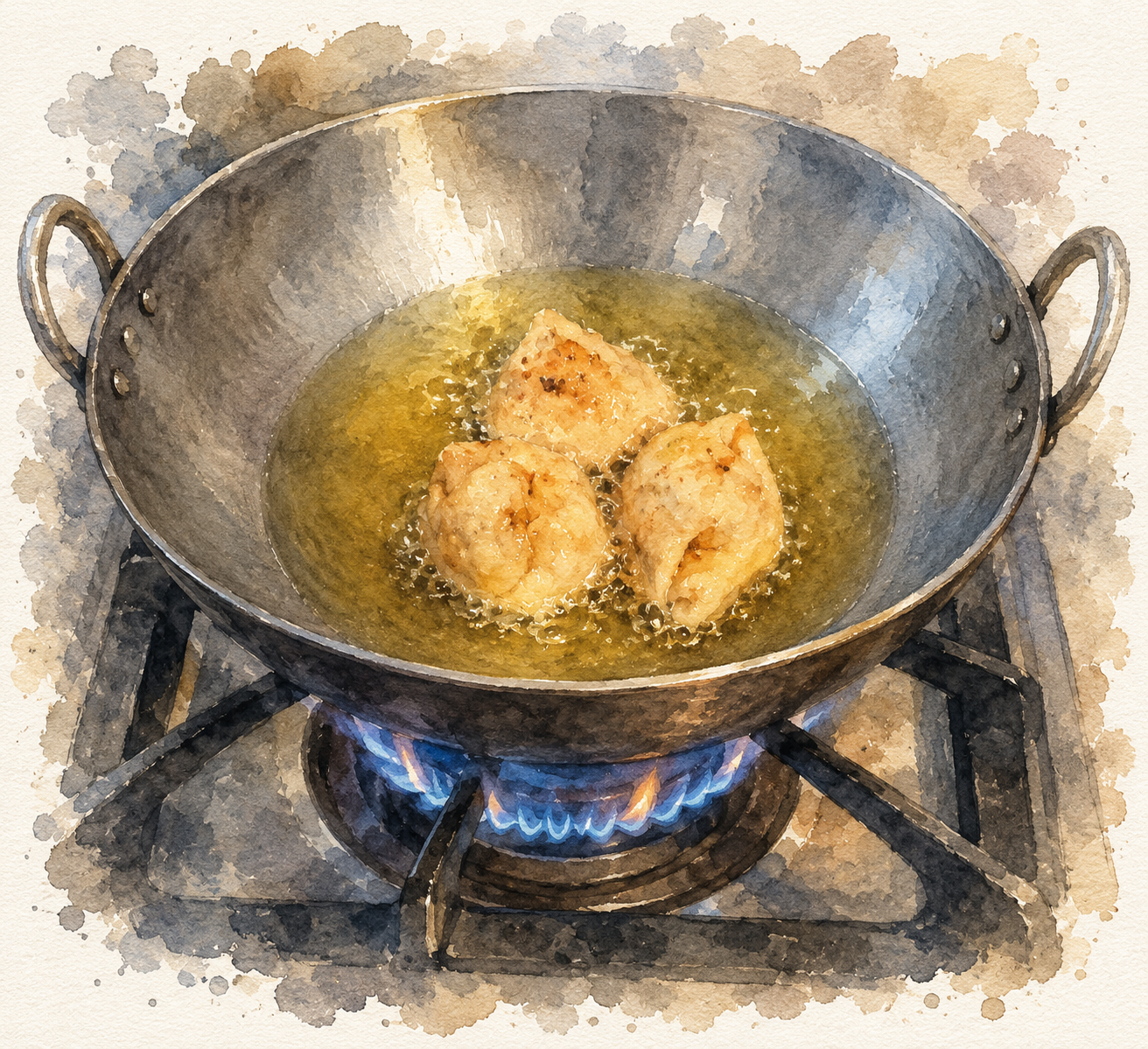
And then there's the frying. This is the part everybody ruins because nobody wants to wait. You cannot rush samosas. The oil has to stay low from the beginning. Small bubbles only. Slow frying cooks the pastry properly all the way through so the shell becomes crisp and flaky instead of browned outside and raw inside. This is not fast food. This is patient food pretending to be street food.
Ingredients
- — Potato Masala Filling —
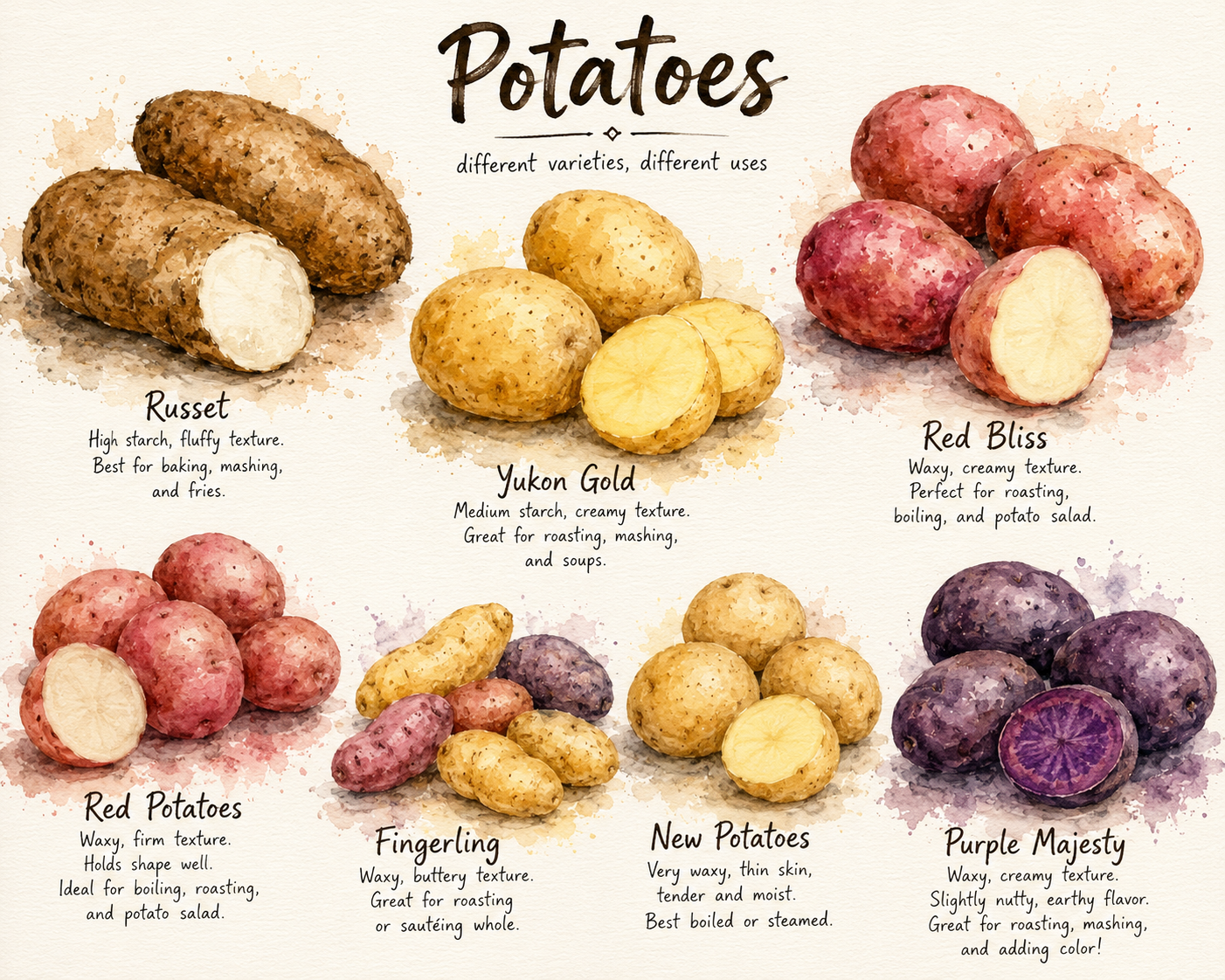
- 6 medium potatoes, boiled and cut into chunks (not mashed)
- 1 tbsp cumin powder
- 1 tbsp coriander powder
- 1 tbsp anardana powder (dried pomegranate powder)
- 1 tsp garam masala
- Chaat masala, to taste
- Salt, to taste
- Oil, for frying the masala
- — Samosa Dough —
- 2 cups plain flour
- 1 cup semolina (suji)
- 4–5 tbsp ghee
- Soda water, as needed
- Pinch of salt
- — For Frying —
- Neutral oil
Method
- Boil the potatoes until cooked through but not falling apart. Let them cool slightly, then cut into chunks. Do not mash them — you want texture in the filling.
- Heat a little oil in a pan over medium heat. Add the potatoes along with the cumin powder, coriander powder, anardana powder, garam masala, chaat masala, and salt. Toss gently so the potatoes stay chunky while getting coated in the spices.
- Cook for about 5–7 minutes until the spices smell fragrant and the potatoes are properly coated. Taste and adjust seasoning. Let the filling cool completely before shaping.
- In a large bowl, combine the plain flour, semolina, and salt. Add the ghee. Rub the ghee into the flour mixture with your fingers until it resembles coarse crumbs.
- Slowly add soda water a little at a time until the dough just comes together. Knead lightly for a few minutes until smooth-ish. Don't aggressively knead like bread dough. Cover and rest for 30 minutes.
- Divide the dough into small balls. Roll each into an oval about 2–3mm thick. Cut the oval in half.
- Take one half and form it into a cone shape by sealing the straight edge together with a little water. Fill the cone with the potato masala. Seal the top edge firmly to form a triangle pyramid shape.
- Keep finished samosas under a damp cloth while working so they don't dry out.
- Heat oil over low heat. The oil should have small gentle bubbles, not aggressive frying bubbles.
- Add the samosas carefully and fry slowly over low heat for about 12–15 minutes, turning occasionally, until deeply golden and crisp all over. Do not rush this — if the oil is too hot, the outside cooks too quickly while the inside stays undercooked.
- Drain on paper towels. Eat hot. Preferably with chai and absolutely no self-control.
Don't mash the potatoes.
Don't over-knead the dough.
Don't fry on high heat. Yes, the slow frying really takes that long.
If cracks appear while shaping, the dough is probably too dry.
Keep unused dough covered so it doesn't dry out while shaping.
Finding proper samosa pastry logic in Singapore can be weirdly difficult because a lot of shortcuts lean toward spring roll texture instead. The semolina really matters here. Cold soda water is nice if you have it, but honestly if you don't, don't sweat it. I use one of those pastry cutter knuckle things to rub the ghee into the flour because it's faster and less messy.
If you make a huge batch, these freeze beautifully before frying. Which is exactly what my mother does because apparently she likes being prepared for surprise samosa emergencies.
The filling stays chunky instead of mashed, which gives the samosa texture and stops it becoming dense inside. Semolina in the dough creates that classic flaky-crisp shell instead of soft pastry. The ghee adds richness and helps the pastry fry properly.
And the slow frying is honestly the entire game here. Low heat lets the pastry cook gradually, blister slightly, and crisp up evenly without burning.
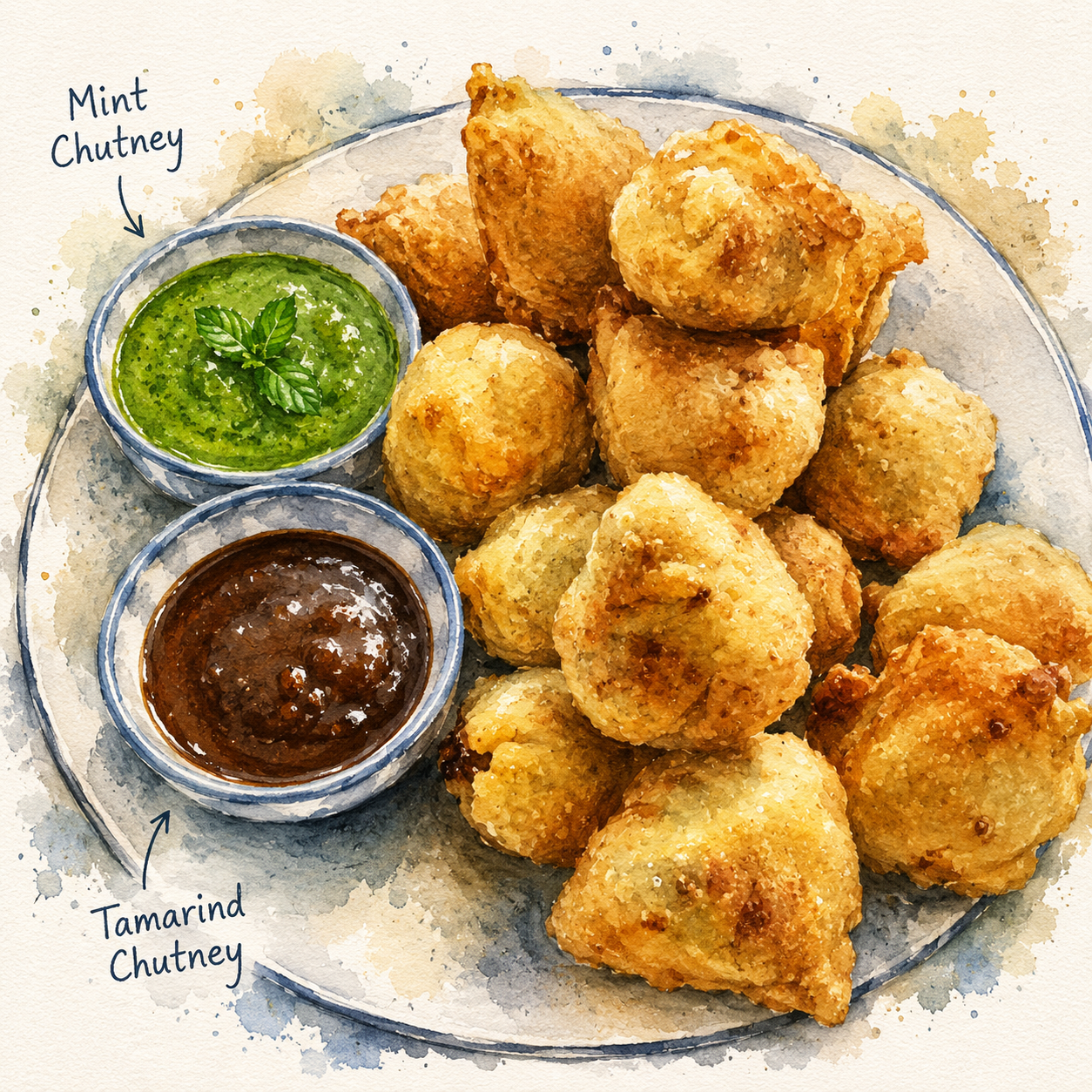
Burning my fingers because I refused to wait for them to cool. With chai. Standing in the kitchen. Obviously.
Nothing. Though I still need to get faster at shaping them because my mother folds samosas at terrifying speed and I absolutely do not.
And honestly I should probably learn how to make jalebi next. That feels like the inevitable next boss level.
New recipes in your inbox
Subscribe and I'll let you know when a new recipe goes up.